


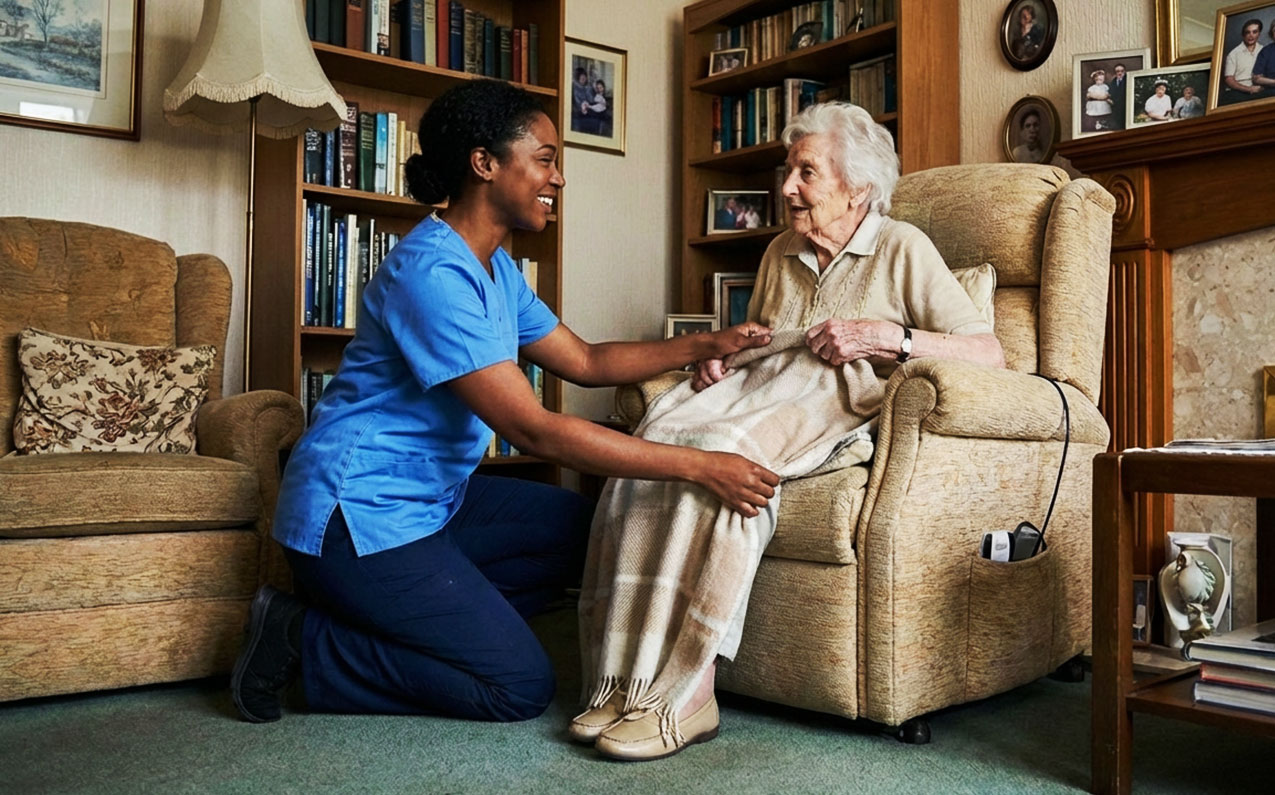
As people age, daily life can become more physically demanding, emotionally draining, and mentally overwhelming. Tasks that once felt simple may begin to create anxiety, especially when health concerns, mobility issues, or loneliness are involved. For many elderly individuals, stress does not only come from medical needs, but also from the fear of losing independence or becoming a burden to loved ones.
Below are some of the key ways home care can reduce stress for elderly patients:
1. Familiar Surroundings Bring Comfort
Staying at home allows elderly patients to remain in an environment they know and trust. Familiar spaces, routines, and personal belongings can reduce confusion, anxiety, and emotional discomfort. This sense of stability often helps seniors feel calmer and more secure each day.
2. Daily Tasks Become Easier
Simple activities such as bathing, dressing, cooking, and moving around can become stressful with age. Home care provides practical assistance that reduces this pressure and makes daily life more manageable. With the right support, seniors can maintain comfort and dignity.
3. Companionship Reduces Isolation
Loneliness is a major source of stress for many elderly individuals. Home caregivers provide regular interaction, conversation, and emotional support that helps seniors feel valued and connected. Consistent companionship can improve mood and ease feelings of anxiety.
4. Routine Creates Stability
A structured daily routine can make life feel more predictable and less overwhelming. Home care provides reliable support at scheduled times, which helps elderly patients feel more in control. This consistency often brings peace of mind to both seniors and their families.
5. Families Feel Less Strained
Older adults often worry about becoming a burden to their loved ones. Home care helps relieve that concern by sharing caregiving responsibilities with trained professionals. This creates a healthier balance and reduces emotional stress for everyone involved.
CONCLUSION:
Home care plays an important role in reducing stress for elderly patients by combining practical help with emotional reassurance. Through comfort, companionship, routine, and safety, it supports a more peaceful and confident daily life.